
First-Time Safari Tips: What to Know Before Your First Safari

There are trips you remember. And then there are experiences that stay with you.
For me, that was safari.
My husband and I spent three weeks in South Africa on our honeymoon — Cape Town, the winelands, and finally the bush. We spent five nights at a private reserve in the greater Kruger region. When it was time to leave, I cried.
Not because five nights weren’t enough. Because I didn’t want the rhythm to end.
Somewhere between the game drives, the quiet mornings, and the sundowners, I had a very clear thought: I should have become a tracker.
If you have been telling yourself, “I want to go on safari,” you are not alone. But that sentence is really just where the planning begins, because there isn’t one way to do safari. These are the first-time safari tips I share most often — how many days you need, where to go, when to visit, what a “camp” actually means, and what a safari is really like once you are in it.
What Is a Safari Actually Like?
Before the trip, I pictured incredible sightings and beautiful landscapes. I didn’t realize how quickly safari would become about far more than checking animals off a list.
Our days had a rhythm.
We went out twice a day — once before sunrise, and again in the late afternoon through sunset. One morning we also did a walking safari, which gave us an entirely different perspective on the bush.
The early mornings were worth every sleepy minute. There is something rare about heading out in the dark and watching the landscape come alive as the sun rises. Your guide and tracker read the environment as you go — tracks, sounds, and tiny movements most of us would miss entirely.
Then there was the evening drive. As the sun dropped, we would stop somewhere in the bush for sundowners: a drink, a sunset, and the sounds of Africa settling in around us. It felt almost unreal.
There Is No Single “Best” Safari — Only the One That’s Right for You
This is the part I wish more first-time travelers understood before they start comparing itineraries.
There isn’t one correct way to do safari. The right experience depends on what you want to see, when you want to go, how you like to travel, and how much time you have. Someone chasing the Great Migration in Kenya or Tanzania is planning a very different trip from someone who wants a malaria-free, family-friendly reserve in South Africa, or a remote water-based camp in Botswana.
So if all you know right now is that you want to go on safari, that is genuinely enough to begin. The rest is what a good advisor is for.
How Many Days Do You Need for a Safari?
This is one of the first questions I think about, and my honest answer surprises some people: give it more time than you think.
Africa is a long way from home. Once you account for the international flights, the time change, and getting from the city out to the actual safari region, I rarely love the idea of rushing through it. For a first safari, I generally suggest planning around ten to fourteen days total. That gives you time to recover from the journey, settle into more than one area, and actually enjoy the experience rather than feeling like you are constantly packing and unpacking.
Within that, the number of nights you spend in the bush itself is a separate decision. On our honeymoon, five nights in a single reserve was the perfect balance, because we had already seen Cape Town and the winelands first. As a rule, I would rather have you settle into one or two exceptional reserves for several nights each than hop between five in a week.
Safari has a pace of its own. You wake early. You head out. You return for breakfast. You swim, have a treatment, read, or simply sit and take in where you are. Then you go out again in the afternoon. You are not rushing from one attraction to the next. You are letting the experience unfold.
The Big Five — and the Sightings I Didn’t Expect
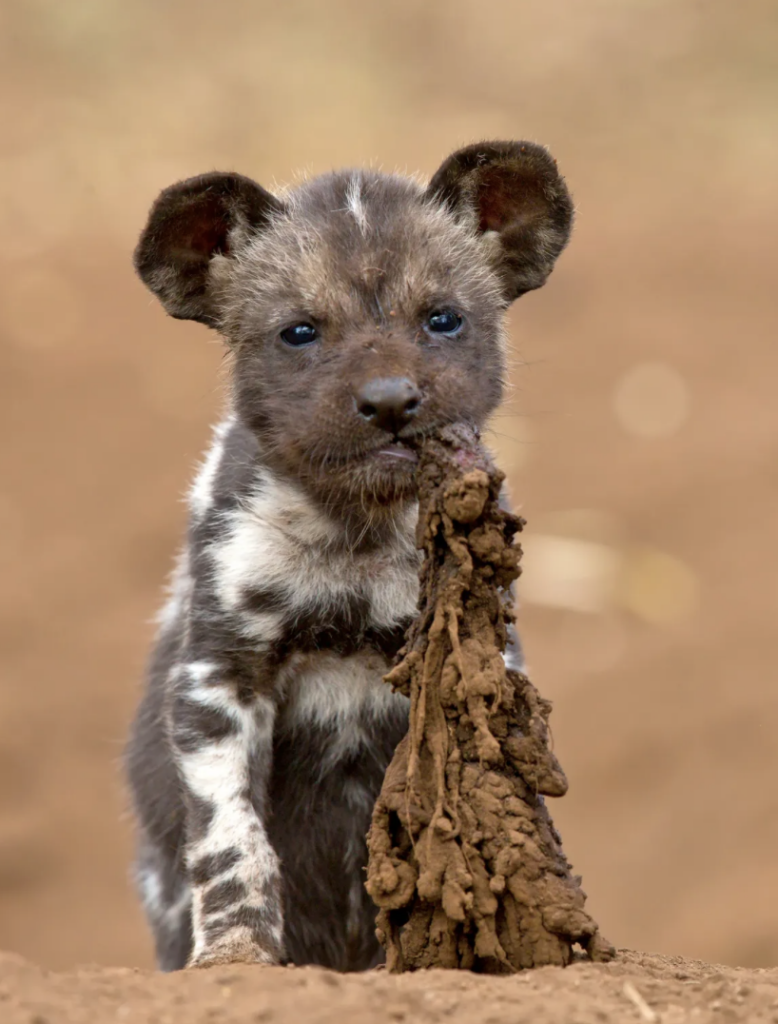
Seeing the Big Five was extraordinary. But some of my most vivid memories were sightings I never planned for.
The wild dogs stole my heart. I hadn’t given them a second thought before the trip. Watching them move and hunt as a pack, completely in sync, became one of the moments I remember most clearly.
That is the thing about safari. You can’t fully script it. You can choose an exceptional reserve, a wonderful lodge, and a gifted guide and tracker — but nature has the final say. And that is exactly what makes it magical.
My Husband Wanted to see “Natural Selection”. I Wanted Baby Animals.
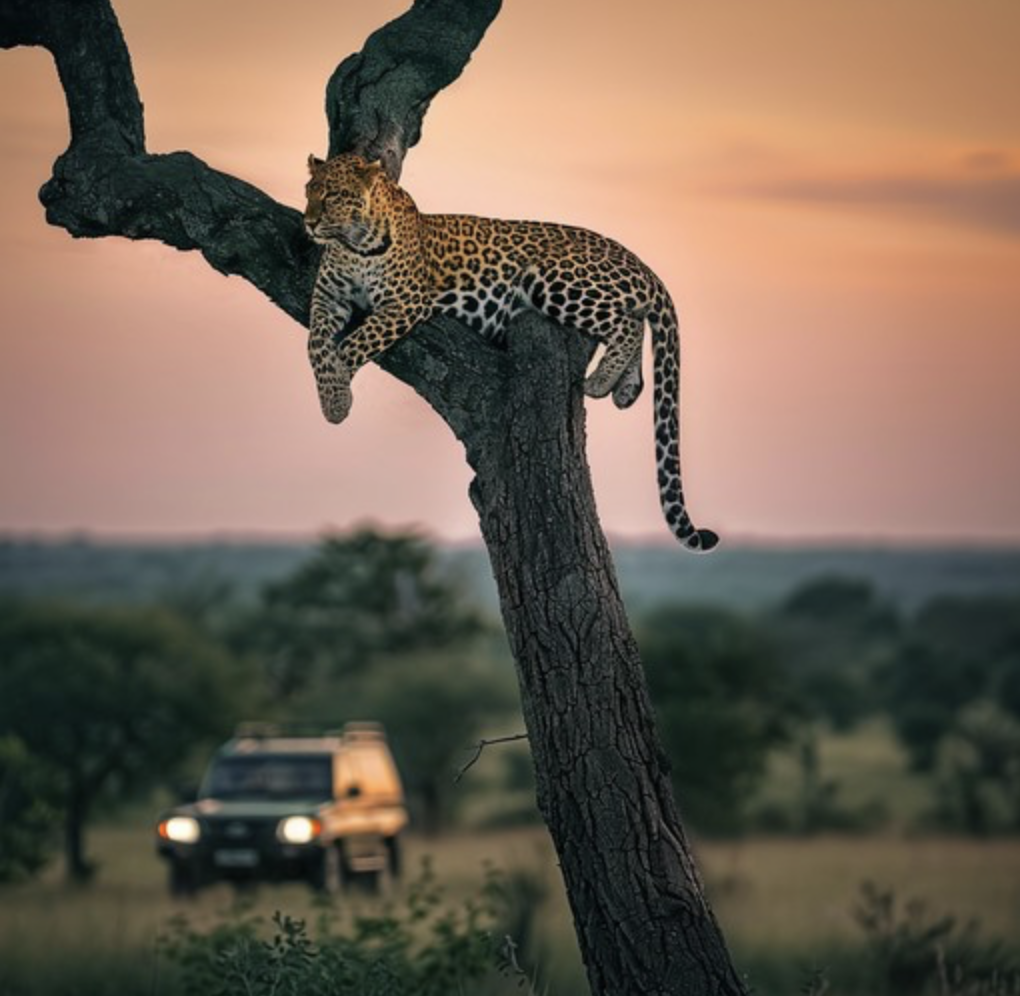
We went in with slightly different agendas. I wanted to see baby animals. My husband wanted to witness a hunt.
Safari, as it turned out, was prepared to satisfy us both.
One morning, we followed a leopard as she stalked an impala. We stayed out far later than usual, watching the drama build as she tracked her prey.
Here is the strange part: I found myself quietly cheering for both of them.
It was completely wild — literally — and one of those moments you know you could never recreate. The impala survived. My husband got his hunt. I got my baby animals. Everyone left happy.
And Then an Elephant Woke Us From Our Nap

This might be my favorite memory of the entire trip.
Our lodge had private plunge pools. One afternoon we were dozing beside ours when something woke us. A baby elephant had wandered over to drink from the water, its herd nearby, keeping watch while the little one drank.
We just sat there. No safari vehicle. No crowds. No schedule. Just us, a baby elephant, and its family.
That moment captures something people often misunderstand about luxury safari. The luxury isn’t only the beautiful lodge. It’s the chance for a moment like that to happen right outside your door.
What Does a Safari “Camp” Actually Mean?
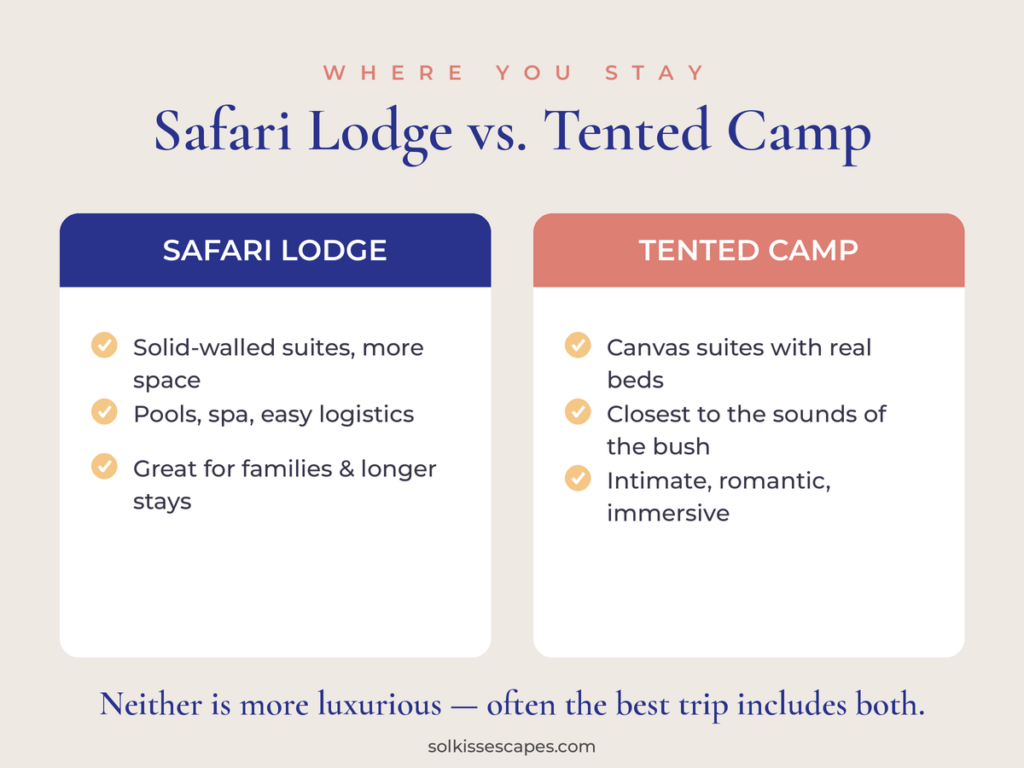
The word “camp” throws a lot of first-time travelers, so let me put the tent-and-sleeping-bag image aside right away.
On safari, a camp can mean any number of things. It might be an intimate luxury tented suite open to the sounds of the wilderness, with a proper bed, an en-suite bathroom, and a private deck. It might be a beautiful lodge with solid walls and a private plunge pool. Or it might be a small, owner-run camp where your guide already knows how you take your coffee before you head out for the day.
A tented camp brings you closer to the bush and its sounds. A lodge tends to offer more space, more amenities, and easier logistics, which many families prefer. Neither is automatically more luxurious than the other — they are simply two different ways of being in the wild, and often the smartest itinerary includes one of each.
For me, the luxury is in the details: fewer guests, private vehicles, exceptional guides, seamless transfers, wonderful food, beautiful spaces, and the freedom to experience Africa at your own pace. That is what I look for when I match a traveler to a property — not simply the most impressive name, but the place that creates the right experience.
Beyond the Game Drive
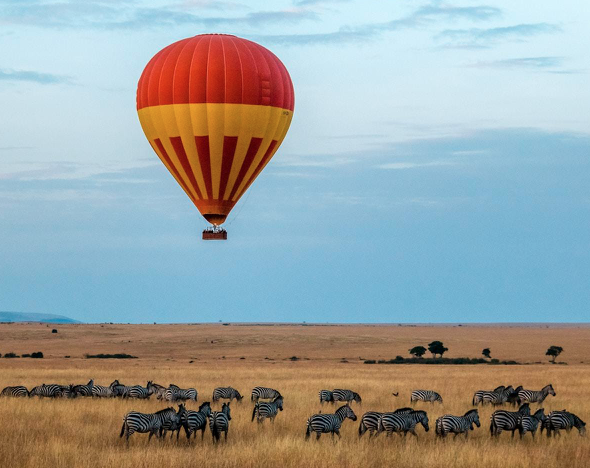
A first safari doesn’t have to be game drives and nothing else. Some of the most memorable trips I plan pair the classic bush experience with something completely different. A few favorites worth knowing about:
- Gorilla trekking in Rwanda.
- A walking safari in Botswana.
- Diving with great white sharks in South Africa.
- A hot-air balloon over the Maasai Mara at sunrise.
- Victoria Falls, easily added as a short extension to a South Africa or Botswana trip.
- A few slow days on the beaches of Zanzibar or Mozambique to end the journey.
This is exactly why the “how much time do you have” question matters so much. The more of these you want to include, the more room your itinerary needs to breathe.
Do You Really Have to Wake Up That Early?
Usually, yes. And I promise it’s worth it.
I understand the hesitation. You are on vacation, and setting an alarm before sunrise doesn’t exactly sound like luxury. For some travelers, being out in the bush before dawn is pure magic. For others, a slower morning, a leisurely breakfast, and a private afternoon drive sounds far better — and a good itinerary can be built either way.
But this is one of those cases where luxury isn’t sleeping until ten. It’s being in the right place at the right moment. The bush is cool and quiet at dawn, the light is beautiful, and the animals are often at their most active. You can always nap later. In fact, I recommend it. Ask the elephant.
When Is the Best Time to Go on Safari?
There is no single best time to go on safari, and this is where planning becomes more nuanced than searching for the best month online.
The right time depends on what matters most to you: weather, wildlife viewing, crowds, landscape, and budget. Some travelers want the strongest possible game viewing. Others want lush, green scenery, or fewer vehicles and a more intimate experience. And if there is a specific spectacle you are dreaming of — the Great Migration, for instance — the timing has to be deliberate.
The best time to go is the time that matches the experience you want to have. That is one reason I believe safari is worth planning thoughtfully rather than defaulting to whatever month ranks highest in a search.
What Luxury Really Means on Safari
I arrived on our honeymoon thinking luxury meant beautiful hotels, wonderful meals, and exceptional service. Safari taught me something else.
Luxury can be space.
It’s a guide and tracker who read the landscape in ways you never could. It’s watching a herd of elephants without feeling rushed. It’s a breakfast waiting after a morning drive, a private pool to disappear into, and a sundowner in the middle of the bush.
And sometimes it’s a baby elephant drinking beside your pool while you were supposed to be napping.
First-Time Safari Tips at a Glance
If you take nothing else from this, take these:
- Plan around ten to fourteen days total so the journey never feels rushed.
- Settle into one or two reserves for several nights rather than hopping between many.
- Choose the time of year around the experience you want, not around the calendar.
- Weigh where you stay — tented camp or lodge — as carefully as the wildlife.
- Wake up for the early drives. The best light and the most active animals are worth it.
- Hold your wish list loosely. The sightings you never expected are often the ones you remember.
The Part I Didn’t Expect
I thought the animals would be what I remembered most. They are. But what truly stays with me is how it felt: the anticipation before every drive, the quiet, the guides and trackers, the sundowners, the laughter, and the sense of being completely disconnected from everything else.
And I remember standing there, crying, because I wasn’t ready to leave.
I went to South Africa expecting an unforgettable honeymoon. I left thinking I should have become a tracker. That is what safari can do. You don’t go simply to see animals. You go to slow down, pay attention, and let the wild surprise you.
First-Time Safari FAQ
How many days do you need for a first safari?
For a first trip, plan around ten to fourteen days total. That accounts for long international flights, the time change, and travel out to the safari region, and still leaves you enough time to settle into more than one area without constantly packing and unpacking.
There is no single answer. South Africa is a wonderful, easy first choice, especially if you want to combine safari with Cape Town, the winelands, or a malaria-free reserve. Kenya, Tanzania, and Botswana are also superb. The right destination depends on what you want to see and how you like to travel.
A tented camp is a canvas suite that keeps you close to the sounds of the bush, usually with a real bed and en-suite bathroom. A lodge is a solid structure with more space and amenities, which many families prefer. Both can be deeply luxurious, and many great itineraries include one of each.
There is no universal best time. The right season depends on what you value most — wildlife viewing, greener landscapes, fewer crowds, or a specific event like the Great Migration — so it’s worth planning around the experience you want.
Usually, yes. Morning drives leave before or around sunrise, when the light is best and the animals are most active. You can always nap in the afternoon.
In my experience, an exceptional one. The pace, the privacy, and the shared sense of wonder make it deeply romantic.
Planning Your First Safari
Safari is one of those trips where the details make the difference. The destination, the season, the number of days, where you stay, and the pace of your itinerary can completely change the experience.
If all you know right now is that you want to go on safari, that is enough to start. Let’s talk about what you actually want from it — and build the trip around that.
Not ready to plan just yet? Join my newsletter for more first-timer stories and guides like this one.
And if you like the idea of a first trip planned down to the last detail, my luxury Sardinia itinerary shows the same approach applied to Italy.

Discover a world of luxury travel inspiration, curated for the soul. From expert planning tips and personal stories to behind-the-scenes insights, this is your destination for inspiration, advice, and everything that makes travel magical.
welcome to the
Sol Kiss Escapes Blog
Luxury Escapes
Travel Tips & Planning
Mindful Travel
Spiritual Escapes
Virtuoso the Magazine
FREE DOWNLOAD
Get inspired by 100+ pages of breathtaking photography and property profiles of the most inspiring places across the globe, in this exclusive digital travel magazine.


